
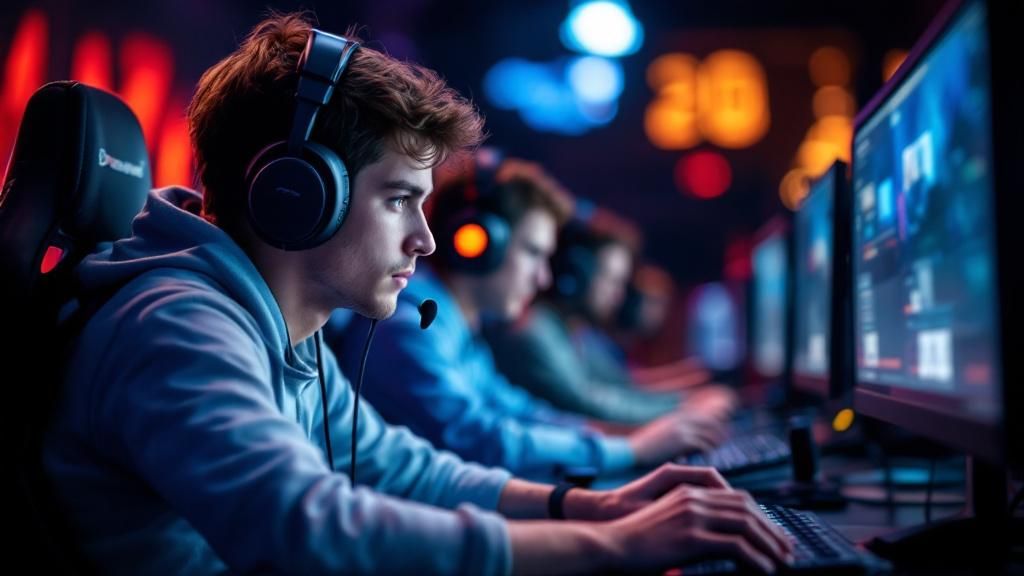
The esports industry has experienced a remarkable transformation, with professional teams now acknowledging that competitive gaming demands more than exceptional skill and reflexes. Mental health has become a essential component of player performance and wellbeing, prompting top teams to commit significant resources in psychological support services. From specialist mental health professionals to customised wellbeing initiatives, this article examines how top esports teams are developing comprehensive mental health initiatives, addressing burnout, anxiety, and the distinct challenges of professional gaming.
The Growing Significance Of Mental Health In Professional Gaming
The competitive gaming landscape has undergone a profound shift in recent years, with mental health becoming a cornerstone of competitive achievement. Top esports teams now acknowledge that sustained peak performance requires psychological resilience alongside technical skill. Players face unprecedented pressures, including fierce competitive pressure, worldwide attention, and demanding practice schedules. Consequently, forward-thinking teams have started focusing on mental wellbeing as central to their performance approach, recognising that a player’s psychological state directly influences their competitive output and career duration within the profession.
Professional esports introduces unique psychological challenges that distinguish it from traditional sports. The sedentary nature of gaming, paired with prolonged time spent on screens and social isolation, generates distinct mental health concerns. Players often experience competitive stress, notably during major competitive events where significant financial stakes and lucrative sponsorships remain uncertain. Additionally, the relatively young demographic of professional gamers means quite a few possess insufficient the emotional development and psychological strategies to manage such demanding conditions. Teams dedicating support to player mental health initiatives acknowledge these distinctive challenges and adapt their approaches to suit individual needs, guaranteeing players receive appropriate psychological care.
The social prejudice surrounding mental health in gaming has historically blocked frank dialogue about psychological struggles. However, recent high-profile cases of athlete exhaustion and emotional breakdowns have prompted meaningful change within the industry. Forward-thinking gaming teams now promote mental wellbeing publicly, showing that seeking psychological support represents strength rather than weakness. This societal change has established as standard dialogue on mental health conditions and coping strategies amongst athletes and support personnel. By removing shame from psychological conversations, prominent clubs foster settings where players are at ease obtaining help before problems escalate.
Investment in mental health systems demonstrates esports’ evolution as a professional industry. Leading organisations now employ committed performance psychologists, psychological coaches, and wellbeing managers. These professionals work together with players to establish stress management techniques, mitigate stress, and preserve psychological equilibrium throughout gruelling competitive seasons. Furthermore, holistic health initiatives often encompass fitness training, dietary advice, and sleep management, acknowledging that comprehensive health underpins mental resilience and ongoing performance excellence.
The financial consequences of overlooking psychological wellbeing are significant for professional esports outfits. Player exhaustion causes reduced performance, greater player departures, and weakened group dynamics, consequently influencing competitive outcomes and revenue generation. Conversely, organisations committing resources in wellbeing programmes see enhanced staff stability, boosted team spirit, and markedly superior event outcomes. This strategic rationale has convinced even previously resistant stakeholders that mental health services amounts to a sound investment rather than a discretionary expense, substantially transforming how esports organisations manage budgets.
Full-scale Psychological Wellbeing Services Across Leading Teams
Top esports organizations have established holistic mental health frameworks that extend far beyond standard support schemes. These extensive programmes acknowledge that esports athletes face particular psychological demands, such as high-pressure competition, irregular schedules, and ongoing monitoring of digital communities. Top teams now utilise expert wellbeing specialists, conduct regular wellness assessments, and build collaborative squad cultures where players feel comfortable discussing psychological concerns without fear of stigma or career consequences.
Expert Mental Health Support Services
The incorporation of trained mental wellbeing experts within esports companies marks a notable transformation in industry standards. Many elite squads now engage sports mental health specialists, clinical therapists, and mental performance coaches who work directly with players to develop adaptive approaches and mental toughness strategies. These specialists offer individualised therapy sessions, collective training programmes, and crisis intervention support, ensuring that players have immediate access to qualified help as psychological difficulties develop during their competitive careers.
Professional psychological services transcends traditional therapy, incorporating performance improvement and mental conditioning approaches specifically designed for competitive gaming. Mental health specialists work alongside coaching staff to embed psychological training into daily practice routines, helping players build concentration, handle pressure, and preserve mental balance during competitive events. This combined methodology confirms that mental wellbeing becomes embedded within team culture rather than functioning as a secondary issue.
- Individual therapy sessions addressing private emotional difficulties
- Performance anxiety reduction and stress reduction techniques
- Sleep optimisation and circadian rhythm regulation programmes
- Drug and alcohol education and dependency assistance support
- Urgent support and acute psychological support access
Teams have identified that preventative mental health measures prove far more impactful than after-the-fact responses. Consistent mental health evaluations help detect developing problems before they escalate into serious mental health crises, enabling practitioners to deploy early intervention strategies. This forward-thinking strategy reduces player burnout, limits performance interruptions, and creates safer team environments where mental health receives the same emphasis as fitness work and tactical coaching.
The presence of dedicated mental health professionals also establishes as standard psychological support within esports culture, encouraging players to access support without facing stigma or criticism. By demonstrating organisational commitment to mental wellbeing through qualified personnel, teams communicate that psychological health holds equivalent importance with competitive performance. This cultural shift has proven instrumental in reducing stigma, improving help-seeking behaviours, and building stronger team unity through collective dedication to overall player mental health and support.
Consequences And Outlook Ahead
The allocation of resources towards mental health support by esports organisations at the professional level is already generating demonstrable benefits. Players report enhanced consistency in their performance, lower anxiety levels throughout high-stakes tournaments, and greater overall job satisfaction. Organisations have observed decreased turnover rates and enhanced team cohesion amongst squads with robust psychological support systems. These beneficial results demonstrate that prioritising mental wellbeing directly supports competitive success, questioning outdated perceptions that gaming performance relies solely on technical proficiency and technical execution.
Looking ahead, mental health support will probably become a common requirement within professional esports. Sector experts expect further specialisation of psychological services, with teams employing sport psychologists experienced specifically in competitive esports settings. As the industry develops and prize money grows, teams will increasingly recognise that extensive player support initiatives represent critical expenditures rather than discretionary spending, fundamentally transforming the overall competitive ecosystem.
