
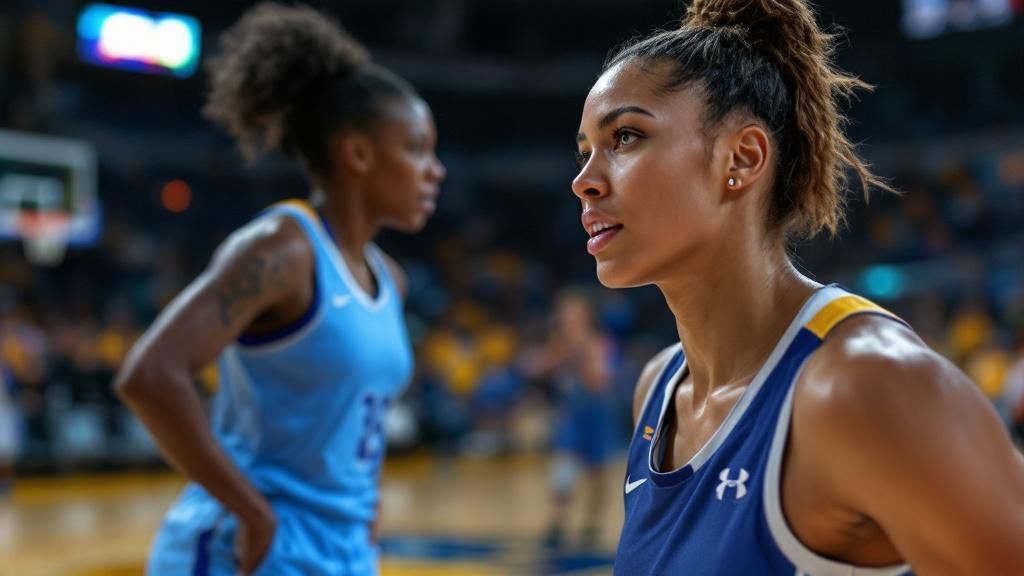
Women’s basketball players around the world are growing more outspoken in their calls for equal pay and considerable resources in their sport. Despite decades of athletic excellence and expanding audience interest, female athletes continue to earn significantly less than their male counterparts, whilst obtaining scant media coverage and sponsorship opportunities. This article examines the sustained push for equal treatment in professional basketball, examining the systemic barriers players face, the monetary rationale supporting their demands, and the transformative changes needed to secure women’s sport obtains the profile and investment it rightfully deserves.
The Salary Disparity Challenge in Women’s Basketball
The financial gap between male and female elite basketball athletes represents one of sport’s most glaring imbalances. Women playing in elite competitions earn significantly less than their male counterparts’ earnings, with some players receiving annual pay far under the poverty line. This disparity stretches past fundamental wages to encompass sponsorship deals, commercial partnerships, and broadcasting rights, producing a cascading disadvantage that damages career sustainability and professional development for female athletes.
Investment inequalities further exacerbate the pay gap, with women’s leagues obtaining limited financial support for infrastructure, marketing, and player development programmes. Whilst men’s basketball organisations receive substantial television contracts and business partnerships, women’s teams face restricted funding that limit roster depth, calibre of coaches, and facility standards. These institutional disparities maintain a cycle where inadequate financing creates reduced visibility, which in turn rationalises reduced funding, ultimately prejudicing players who deserve equal remuneration for their talent, commitment, and ability to entertain.
Investment Disparities and Media Coverage
The monetary divide between men’s and women’s elite basketball continues to be substantial, with investment in women’s leagues considerably trailing their male counterparts. Media organisations allocate substantially fewer broadcasting hours to women’s matches, leading to reduced visibility and sponsorship revenue. This disparity applies to playing venues, coaching resources, and advertising investment, producing a self-perpetuating cycle where lower investment results in decreased prominence, which subsequently supports additional financial reductions. The consequence is a performance gap that weakens the quality and growth potential of women’s basketball across the world.
Media reporting plays a crucial role in determining the commercial sustainability of any sport, yet women’s basketball receives a fraction of the airtime allocated to men’s competitions. Major broadcasting networks often schedule women’s matches at awkward times or relegate them to lesser platforms, limiting audience scope and engagement. This disparity in airtime directly influences sponsorship opportunities and merchandise sales, leaving female athletes with reduced financial benefits. Resolving these imbalances requires strategic investment from broadcasters, broadcasters, and commercial partners who recognise the underdeveloped potential and expanding fanbase within women’s professional basketball.
Player Activism and Future Prospects
Women’s basketball players have established themselves as influential champions for comprehensive transformation, leveraging their platforms to challenge systemic disparities and catalyse coordinated efforts. Players such as Sue Bird and Diana Taurasi have emerged as leading advocates for fair financial support, utilising their standing to underscore the disparity between men’s and women’s professional leagues. Their activism has catalysed substantive dialogue amongst regulatory authorities, sponsors, and media outlets, showing that collective player action can deliver concrete results. Through coordinated initiatives and open campaigning, these athletes steadily strengthen appeals for far-reaching change across salaries, infrastructure, and transmission agreements.
The future of women’s basketball requires sustained commitment from multiple stakeholders committed to authentic transformation. Forward-thinking policies implemented by leagues such as the WNBA—including expanded salary caps and enhanced promotional efforts—offer strong models for international organisations. However, substantial obstacles remain, requiring sustained push from players, allied institutions, and committed fans. The direction of women’s professional basketball will ultimately reflect the commitment to properly fund female athletes, recognising both their exceptional talent and their vital impact to the cultural significance of sport.
Looking forward, the intersection of player activism and organisational reform presents unprecedented opportunities for reshaping professional basketball’s future. By sustaining progress and demanding accountability, women athletes keep forging routes towards true parity, inspiring younger generations whilst substantially shifting perceptions of women’s sport globally.
